
Why Dubai Executives Are Prioritizing Recovery Over Weekend Escapes
The region’s tourism industry is once again experiencing a period of instability. The regional conflict, flight cancellations, rising fuel charges, and tensions over international routes have changed the usual travel dynamics in just a few weeks. Tourist demand began to fluctuate. Travelers have become more cautious. The hotel sector is even more attentive to any changes in consumer sentiment. At the same time, the market did not stop. He began to rebuild. Quickly. Sometimes it’s pretty tough.
The Hotel Sector Is Changing Its Strategy

Until recently, hotel occupancy in popular destinations was kept at 80-90%. The situation looks different now. In some cases, hotel occupancy dropped to 20-30%, especially after massive flight cancellations and reduced flight routes. International tourism came under pressure, and the hotel business began to look for ways to maintain operational sustainability.
Some facilities have relied not on discounts, but on renovation. About 2,000 hotel rooms have already been included in the renovation program. Some hotels are temporarily closed for a long time, up to 18 months. For the market, this is not just a cosmetic repair. This is an attempt to use the seasonal decline as efficiently as possible.
Today, the hotel infrastructure continues to expand even in difficult conditions. There are more than 155,000 hotel rooms in the region, and about 11,000 more are under construction. According to forecasts, by the end of the decade, the total volume may reach 180,000 rooms. This approach shows that investors are still counting on the restoration of the tourist flow and the return of international demand.
Changing Tourist Behavior
Travelers no longer plan trips the way they used to. The average period between booking and departure has been reduced from 3-4 weeks to 7-14 days. People leave themselves room for maneuver. Travel flexibility is becoming more important than early booking.
At the same time, there is a growing interest in multiple-entry visas. The number of such applications increased by about 25-30%. The demand for travel insurance and express document processing has also increased by about 20-25%. This is no longer a temporary reaction. Rather, a new model of behavior in conditions of instability.
The tourism ecosystem adapts to these changes literally in real time. Hotels offer flexible bookings, fix stable prices and try to maintain the trust of guests even during a crisis. The reputation of the destination now affects the market no less than the level of service or climatic conditions.
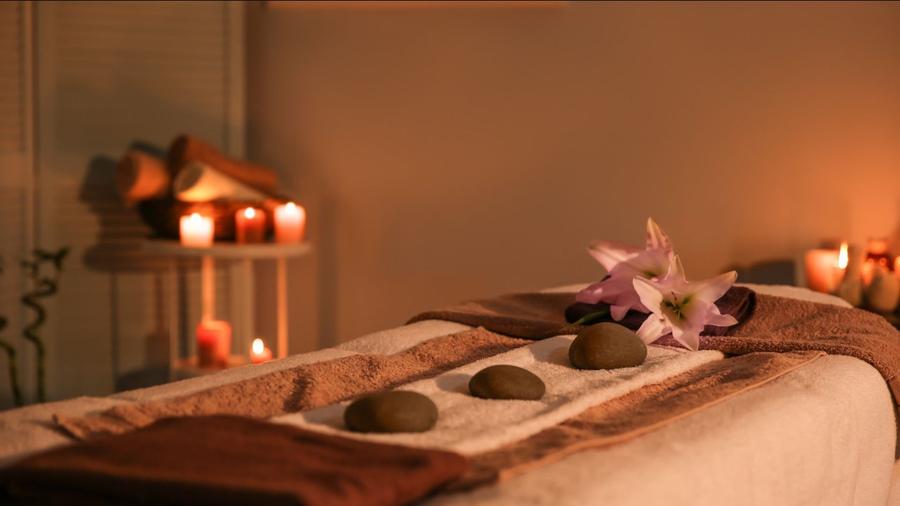
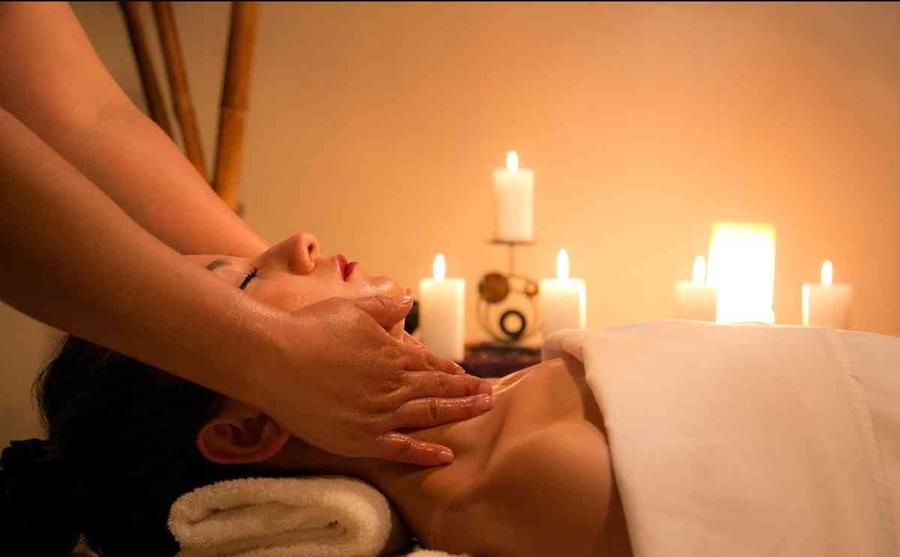
At the same time, staycation and domestic tourism are gradually becoming one of the main tools to support the hotel economy. People are increasingly choosing short trips, family vacations, or wellness programs such as relaxation massage Dubai instead of long international trips.
Tourism Recovery Is Slow
The market is gradually stabilizing, but this process cannot be called fast. The authorities have already allocated Dh1 billion in short-term economic incentives for the period from April to September 2026. Some of the hotel and tourist fees have been temporarily postponed. This has become an important element of support for the hotel business.
At the same time, the restoration of flights continues. Some carriers have already returned routes to 70 and 66 destinations, respectively. However, industry participants recognize that it will take time to restore tariffs and the previous utilization of hotel rooms.
Now the tourism industry is working in conditions of constant adaptation. Changing demand, crisis communications, reputation management, travel safety, and flexible solutions are becoming key factors for survival. Travelers are still ready to fly, book trips, and change routes. But they do it much more carefully. That is why the hotel sector today relies not on aggressive growth, but on market stability, long-term value and the ability to respond quickly to global events.

Snowboarder, mother of 2, fender owner, International Swiss style practitioner and TDC honorary member. Doing at the crossroads of aesthetics and mathematics to craft experiences that go beyond design.