How to Sanitize Grooming Tools Correctly: Skin Health, Safety, and Equipment Life
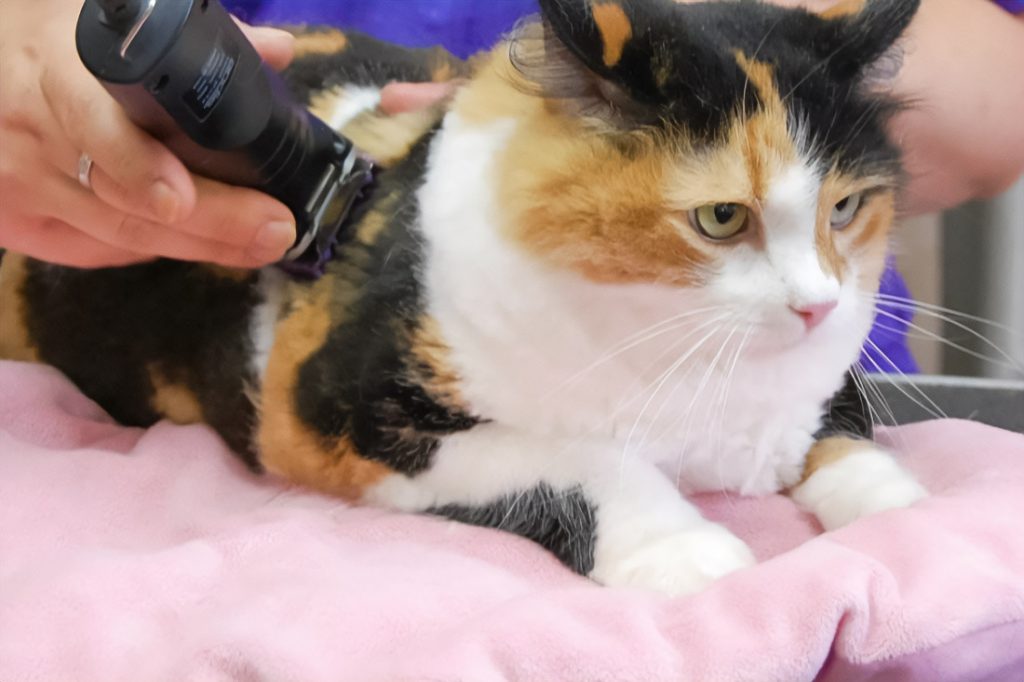
The hygiene of tools is not just neatness but also a basic condition for safe care. Skin, hair, sebum, and filth particles are continuously in contact with machines, trimmers, scissors, brushes, and combs. Without regular sanitation, such tools turn into an environment where bacteria, fungi and parasites actively multiply. Because of this, cross-contamination may be avoided, and skin health is directly impacted by cleaning and appropriate storage.
Why is Sanitation so Important
Contaminated instruments are one of the key factors that cause skin infections, skin irritation, dermatitis, and rashes. The article emphasises that hair residues, dandruff and dirt create conditions in which microorganisms multiply rapidly. In contact with the skin, this can lead to ingrown hairs, inflammation, and even more serious problems.
Cross-contamination is a distinct problem. It is easy for parasites like fleas and ticks to spread from one animal to another if the same instruments are used without treatment. Therefore, pollution prevention and the use of separate tools for each pet are not a recommendation but a necessity.
The Main Stages of Cleaning and Disinfection
The sanitary treatment procedure follows a clear logic. Skipping any stage reduces the efficiency of the entire system.
1. Hair and Debris Removal
Before using a disinfectant spray or solution, it is necessary to remove all visible impurities. Hair residues and dirt literally protect bacteria from the effects of the products, reducing the effectiveness of the sanitiser.
2. Washing With Soap and Water
Warm water and mild soap are used. This allows you to remove skin oil and microparticles that cannot be removed by dry brushing. It is important to completely wash off soap residues, as they can irritate the skin.
3. Disinfection
Safe disinfection solutions and sprays are used for complete sanitation. The text says that the tools can be soaked for 10-15 minutes for deep cleaning. Sprays or wipes are suitable for electric machines so as not to damage the mechanism. This step is especially important in professional pet care Dubai services, where hygiene standards must remain consistently high.
4. Drying and Storage
The tools must be completely dried. A humid environment accelerates the growth of bacteria and provokes rust. Storage should take place in a dry container or a clean case, not in a wet bathroom.
Blade and Machine Maintenance
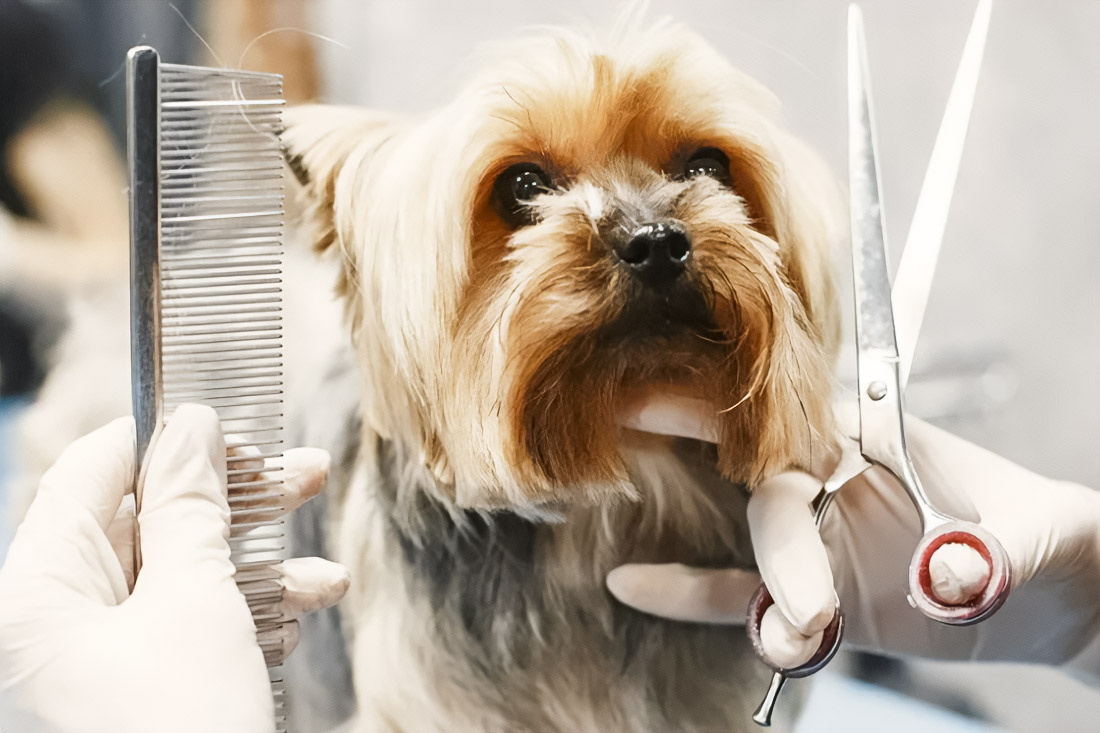
The blades are the most vulnerable part of the tool. After disinfection, it is recommended to add 1-2 drops of oil. This reduces friction, prevents wear and protects against corrosion.
If the blades start pulling at the hair, they need to be replaced, even if they are cleaned regularly. This is an important indicator that the tool’s resource is exhausted.
For removable blades, deeper cleaning is recommended about once a week. This helps to remove impurities that are not visible during normal processing.
Common Mistakes That Reduce Efficiency
Even with regular cleaning, mistakes can be made that reset the result.
- Skipping the hair and debris removal stage before disinfection
- the use of aggressive household products that cause corrosion and irritation of the skin
- Irregular tool handling after each procedure
- Storage in a humid environment or dirty case
Each of these errors increases the risk of re-contamination and reduces hygiene.
Prevention and Additional Measures
Tool hygiene works better in conjunction with preventive measures:
- Regular bathing reduces the amount of pollution
- Monitoring the skin condition helps to detect irritation and infections at an early stage
- Prevention of fleas and ticks reduces the risk of infection
- The use of separate tools prevents the transmission of pathogens
This approach reduces the burden on tools and increases the overall safety of care, which is essential for high-quality pet care Dubai services.
Impact on Service Life and Efficiency
Proper maintenance directly affects the service life of the equipment. Clean and lubricated blades work smoothly, do not overheat and wear out less. This reduces the likelihood of breakdowns and reduces repair costs.
Regular cleaning also helps tools stay sharp and perform effectively without snagging or causing skin damage.
Cleaning, disinfection, drying, and appropriate storage are all steps in the methodical process of sanitising instruments. Regular treatment after each procedure, deep cleaning and monitoring of the equipment condition can minimise the risk of infections, protect the skin and extend the service life of the instruments.
When tool hygiene becomes a habit, the likelihood of problems decreases, and the care process itself becomes safe and predictable.

Snowboarder, mother of 2, fender owner, International Swiss style practitioner and TDC honorary member. Doing at the crossroads of aesthetics and mathematics to craft experiences that go beyond design.